


NerveCalm Review 2026: Does It Really Work or Is It a Scam?
In this NerveCalm review, we look at why nerve pain spikes overnight, what's actually in the formula, and whether the science holds up — before you spend a single dollar.
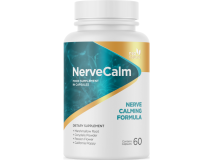
Plant-Based Nerve Support Capsules
A daily formula built around five botanicals traditionally used for nerve discomfort, paired with a 180-day refund window — one of the longest in the category.
8am
A clinical study out of Oregon Health & Science University tracked nearly 650 people with diabetic nerve pain and found their worst pain consistently landed in this overnight window — regardless of age, gender, or other health conditions. If your nerve pain wakes you up, you're not imagining it. There's a documented reason it happens, and it's the starting point for this NerveCalm review.
Why Nerve Pain Gets Worse the Moment You Try to Rest
If you've landed on this NerveCalm review at 1am with your foot on fire, you already know the pattern. The discomfort is manageable during the day — you're moving, distracted, busy. Then you sit down for dinner, the house gets quiet, and suddenly the burning or tingling you'd almost forgotten about is the loudest thing in the room.
This isn't random, and it isn't "just stress." Pain researchers describe it through what's called the gate control theory: nerves running through your spinal cord act like gatekeepers, deciding which signals get passed up to your brain. During the day, competing input — sound, movement, conversation — keeps those gates partially closed. At night, with the noise gone, the gates open wider and pain signals come through clearer than ever.
Movement, conversation, and tasks compete for your brain's attention, so pain signals get partially "muted" before they register.
Body temperature begins dropping. Cooler skin and slower circulation make peripheral nerves more reactive to sensation — including pain.
Lying down shifts pressure onto compressed nerves, and with no distractions left, the brain has nothing to focus on except the signal it's receiving.
NerveCalm Review: Why Treating Daytime Symptoms Isn't Enough
This is exactly where most nerve pain products fall short. A cream applied in the morning has worn off by midnight, which is precisely when the pain is strongest. A painkiller taken after dinner is metabolized by 2am. To actually change what happens overnight, a formula needs to address what's happening in the nerve tissue itself — the inflammation and oxidative stress that make nerves hypersensitive in the first place — not just block the signal for a few hours.
NerveCalm Review Overview
What Is NerveCalm, Exactly?
NerveCalm is a daily capsule built around five plant-based compounds — Corydalis Yanhusuo, California Poppy Seed, Marshmallow Root, Opuntia Phaeacantha, and Magnesium Glycinate — chosen for their traditional and emerging research ties to nerve calming, antioxidant protection, and tissue repair. It's formulated without stimulants, numbing agents, or anything designed to simply block sensation.
It's made in an FDA-registered, GMP-certified US facility, and is non-GMO and gluten-free. The company backs it with a 180-day refund window — six full months to decide whether it's working, which is unusually long for a supplement in this category.
Who is this formula actually built for?
Based on the ingredient profile and the feedback patterns we reviewed, NerveCalm is most relevant for people managing diabetic neuropathy, sciatica, carpal tunnel discomfort, or general age-related nerve sensitivity — particularly anyone whose symptoms intensify at night and who has already tried topical or short-acting solutions without lasting change.
| Format | Daily capsules, taken with food |
| Core compounds | Corydalis Yanhusuo, California Poppy Seed, Marshmallow Root, Opuntia Phaeacantha, Magnesium Glycinate |
| Approach | Anti-inflammatory + antioxidant + nerve nutrient support |
| Typically used for | Diabetic neuropathy, sciatica, carpal tunnel, nighttime nerve flare-ups |
| Entry price | $69 (single bottle) |
| Lowest price | $39/bottle (6-bottle case) |
| Availability | Official site only |
| Refund window | 180 days |
| Manufacturing | FDA-registered, GMP-certified, USA |
Where NerveCalm Lands, In Short
Worth a real trial
The formula targets mechanisms — inflammation, oxidative stress, nerve nutrition — that are genuinely tied to nerve pain in the research literature, rather than just numbing sensation. The 180-day window removes most of the financial risk. The tradeoff is patience: this isn't built for instant relief, and anyone expecting that will be disappointed.
How Does NerveCalm Work?
The Science Behind This NerveCalm Review
Nerve discomfort is rarely a single problem with a single fix. In peripheral neuropathy and chronic nerve irritation, three things are usually happening at once: chronic low-grade inflammation around the nerve fibers, oxidative stress that gradually damages nerve cell membranes, and reduced circulation that starves nerves of what they need to repair. A product that only interrupts pain signals leaves all three of those running in the background — which is why relief never lasts.
What changes when you target the cause instead of the signal
Symptom-Blocking Approach
- Numbs sensation for a few hours
- Wears off before the overnight flare-up
- Inflammation and oxidative stress continue unaddressed
- Pain returns at full intensity once it wears off
- Some options carry dependency or tolerance risk
NerveCalm's Approach
- Works on the inflammatory environment around the nerve
- Antioxidant compounds reduce ongoing cell-level damage
- Supports the nutrient base nerves need to repair
- Effects build cumulatively over weeks, not hours
- No numbing agents, no dependency mechanism
This is also why NerveCalm isn't marketed as an instant fix. Botanical anti-inflammatory and antioxidant compounds work by gradually shifting the internal environment around the nerve — closer to how a long-term dietary change works than how a painkiller works. The tradeoff for that slower onset is a result that isn't dependent on re-dosing every few hours.
NerveCalm Ingredients Analysis
What's Actually Inside, and Why
Five compounds make up the core formula. Here's the role each one is playing and what the research says about it.
Research behind the formula
Corydalis Yanhusuo
Pain signal modulatorA root used in traditional Chinese medicine specifically for pain. Modern research has isolated alkaloid compounds — including dehydrocorybulbine — that interact with pain pathways through a mechanism distinct from opioids, which is part of why it draws academic interest as a non-addictive option.
→ Corydalis alkaloids & pain pathways (PubMed)California Poppy Seed
Calming, non-sedating supportDespite the name, this isn't the opium poppy — it contains no morphine-type alkaloids. Eschscholzia californica has instead been studied for mild calming compounds that support relaxation and nerve tension relief without the dependency profile of stronger sedatives.
→ California Poppy & nervous system effects (PMC)Marshmallow Root
Tissue-soothing, repair supportRich in mucilage — a gel-like compound with a long history of use for soothing irritated tissue. In this formula it's paired with Magnesium for its role in creating a calmer internal environment that supports the nerve's own repair processes rather than overriding them.
→ Althaea officinalis & anti-inflammatory activity (PMC)Opuntia Phaeacantha
Antioxidant anchorA prickly pear cactus extract studied for its betalain and polyphenol content — compounds linked to reduced markers of oxidative stress and inflammatory cytokines. Of everything in the formula, this ingredient has the most direct research tie to the cell-level damage implicated in neuropathy progression.
→ Opuntia & oxidative stress (PMC)Magnesium Glycinate
Nerve conduction mineralMagnesium deficiency is independently linked to increased nerve excitability and muscle cramping. The glycinate form is used specifically because it's better absorbed and gentler on digestion than cheaper forms like magnesium oxide — a quality detail many budget formulas skip.
→ Magnesium & nerve function (PMC)Benefits of NerveCalm
Expected Results
Because the formula works on inflammation and nerve nutrition rather than blocking signals, benefits tend to stack gradually. Across the feedback we reviewed, these are the outcomes mentioned most often:
Timeline for results
Earliest changes tend to show up as easier sleep onset and slightly less muscle tension — not yet a drop in pain intensity.
Most buyers report this is when burning and tingling intensity starts to noticeably decrease, particularly overnight.
Cumulative improvement in day-to-day comfort and mobility; this is the range the brand cites most often in its own messaging.
The point at which the brand recommends evaluating results fully — which is also why multi-bottle packages and the refund window are both built around a 90-day minimum.
Pros and Cons of NerveCalm
Advantages
Potential Drawbacks
Pricing and Packages
Current Offers
NerveCalm is sold exclusively on the official website. Because the formula needs weeks to show its full effect, the per-bottle price drops sharply on the larger packages — clearly designed to support a 90-day-plus trial rather than a one-off purchase.
Best value option
Every order is covered by the 180-day money-back guarantee. If it doesn't work for you, support will issue a refund — even on empty bottles.
Customer Reviews
What Buyers Are Saying
A pattern shows up across the feedback we looked at: sleep tends to improve first, and the drop in burning or tingling intensity follows a few weeks later. Almost nobody reports an overnight transformation — most describe something closer to a slow fade.
Common feedback patterns
"I've had diabetic nerve pain for almost five years and the worst part was always 2am, lying there with my feet on fire. Three weeks into NerveCalm, I noticed I was sleeping through the night without that burning waking me up. Six weeks in, it's a different life."
"My hands used to go numb halfway through a typing session. I started this more out of desperation than expectation, honestly. By month two the numbness during work had dropped a lot. Wish I'd tried it sooner instead of just pushing through."
"I almost gave up around week two because nothing felt different. By week five my husband pointed out I'd stopped complaining about my feet at night before he did. Sometimes you don't notice the change until someone else does first."
"Sciatica used to stop me mid-stride. Three months in, the frequency and intensity are both down noticeably. Still notice it occasionally — but nothing like it used to be."
Frequently Asked Questions
Common Questions
When's the best time to take NerveCalm?
With food, at a consistent time each day. Timing matters less than daily consistency — most of these compounds work cumulatively, so missed days slow the effect more than the time of day does.
How long before I notice a difference?
Sleep and tension changes are typically the first signs, often within 2–3 weeks. Real reductions in burning or tingling tend to land between weeks 4 and 8. The brand's own recommendation is a 90-day minimum trial.
Is it safe alongside other medications?
Corydalis Yanhusuo and California Poppy Seed both have mild calming properties. If you're on blood thinners, sedatives, or prescription nerve pain medication, talk to your doctor first to rule out any interaction before starting.
Does it help with diabetic neuropathy specifically?
Diabetic neuropathy is driven heavily by inflammation, oxidative stress, and circulation issues — the exact three mechanisms this formula targets. It's also the condition cited most often in the buyer feedback we reviewed.
What happens if it doesn't work for me?
You're covered by the 180-day refund window — six months to test it properly. If it's not working, contact support for a refund, even with empty bottles.
Important considerations
Where is it made?
In the United States, in an FDA-registered, GMP-certified facility. The formula is non-GMO, gluten-free, and contains no stimulants or synthetic numbing agents.
Can I take it long-term?
Yes — it's designed for ongoing daily use rather than short-term symptom masking, since it contains no dependency-forming compounds. Periodic check-ins with your doctor are still a good idea for any chronic condition.
Final Verdict: Should You Buy NerveCalm?
Should You Buy NerveCalm?
Go back to that 11pm–8am window for a second. If a product can't change what's happening in your nerve tissue by the time you're lying in bed, it's only ever going to manage your day — never your nights. That's the real test for anything claiming to help with nerve pain, and it's the test most products on shelves quietly fail.
NerveCalm's formula is built to clear that bar differently: Corydalis and California Poppy calm overactive signaling, Opuntia counters the oxidative damage that keeps nerves hypersensitive, and Marshmallow Root with Magnesium support the actual repair process — not just the symptom on top of it.
It isn't instant, and treating it like it should be will set you up for disappointment. But for the very large number of people who've cycled through creams and short-acting medications and ended up back at square one by midnight, the issue usually wasn't the lack of options — it was that none of those options were built to do anything once the lights went out.
Final recommendation
With a 180-day window to test it and zero dependency risk, the downside of trying NerveCalm is genuinely low. Combined with ingredient transparency and a manufacturing standard most competitors don't disclose, this NerveCalm review lands on a clear recommendation for anyone whose nerve pain has outlasted every short-term fix they've thrown at it.
Ready to Try NerveCalm?
Order through the official site to make sure you get the real formula and the full 180-day refund window.
See Pricing & Order NerveCalmScientific References
- Zhang, Y. et al. (2016). Dehydrocorybulbine and Corydalis alkaloids: a novel class of analgesics. PubMed. PMID27887934
- Fedurco, M. et al. (2015). Eschscholzia californica extract: effects on the central nervous system. PMC. PMC6680800
- Hage-Sleiman, R. et al. (2011). Althaea officinalis L.: anti-inflammatory and immunomodulatory activity. PMC. PMC8839288
- El-Mostafa, K. et al. (2014). Opuntia species: antioxidant and anti-inflammatory properties. PMC. PMC7468777
- Barbagallo, M. & Dominguez, L. J. (2010). Magnesium and aging: nerve and muscle function. PMC. PMC5452159
- Mass General Brigham (2024). Why Is Neuropathy Worse at Night? massgeneralbrigham.org
